

When the prostate becomes large, or urinary retention keeps recurring, a patient may need treatment that removes a substantial amount of the tissue causing the blockage. HoLEP, or holmium laser enucleation of the prostate, is one of the main options in this situation. It is different from a radical prostatectomy, which may be used to treat cancer: its aim is to treat benign obstruction.
What enucleation of the prostate means
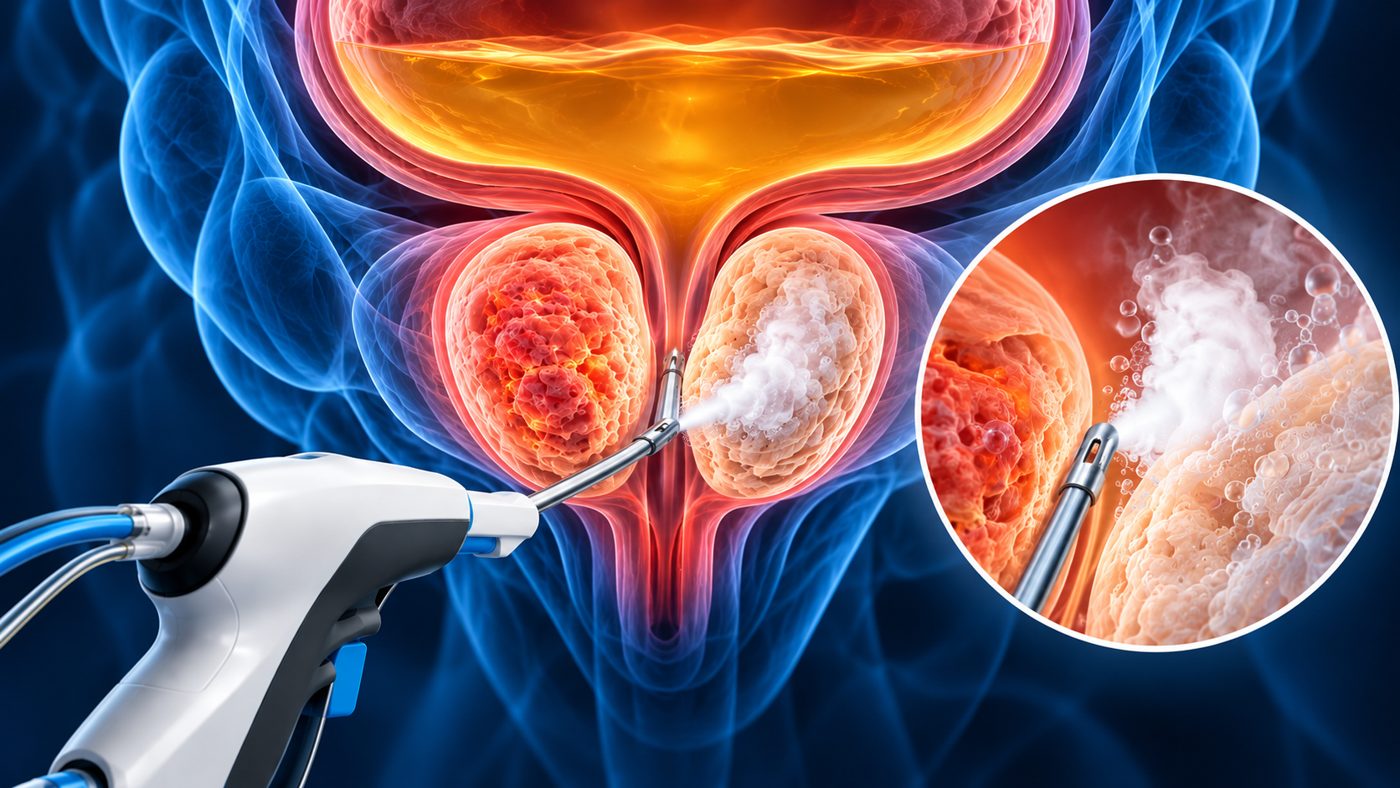
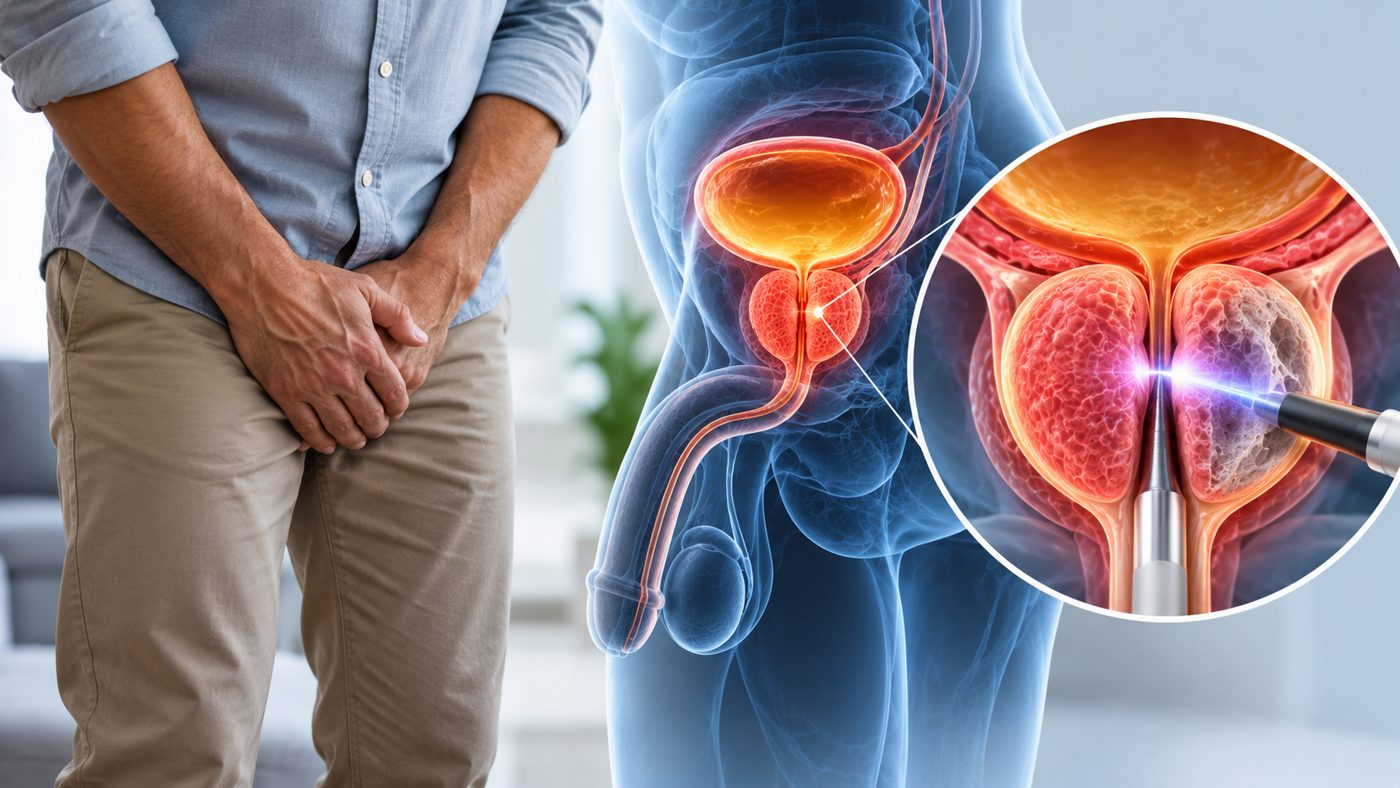
The operation is done with a scope passed through the urethra. The surgeon uses the laser to separate the enlarged tissue from the capsule around it. The tissue is then broken up inside the bladder and removed with a dedicated instrument. It is sent to the laboratory for examination, and the operation usually needs no external cut in the abdomen.
When it is a suitable option
HoLEP can be considered when there is clear obstruction with severe symptoms or complications, especially if medication hasn't worked well enough. It can be used across a wide range of prostate sizes, including very large glands, when the right expertise is available. Assessing how well the bladder works is still important: relieving the obstruction doesn't automatically fix every cause of frequent urination or poor emptying.
What to expect after the operation
A temporary catheter is placed, and during recovery you may notice blood in your urine, burning or urgency. Some temporary leakage of urine can occur, and pelvic floor exercises help suitable patients. How quickly you return to normal activity depends on your case and how your recovery goes, and your care team will tell you when you can resume exercise and sexual activity.
The risks also include bleeding, infection and narrowing of the urethra, and leakage can persist in a proportion of patients. Your discussion with your surgeon should therefore cover the expected result and the possible complications, not just the power of the laser.
Ejaculation and erections are two different things
After standard HoLEP, it is common for semen no longer to come out at climax, or to flow backwards into the bladder, while orgasm itself is usually still felt. This change doesn't necessarily mean weaker erections, but it does affect natural conception. If preserving ejaculation matters to you, discuss it before the operation, without assuming that ejaculation-sparing techniques suit everyone or are guaranteed to work.
This article is general health education and doesn't replace a consultation with your doctor.