
It may start with one extra trip to the bathroom at night. Then leaving the house starts to depend on knowing where the nearest toilet is. Over time, some men get used to a weak stream and accept it as an unavoidable part of getting older. But bothersome urinary symptoms deserve an assessment: treatment may be simpler than you expect, and the tests may reveal a cause other than an enlarged prostate.
Prostate size doesn't tell the whole story
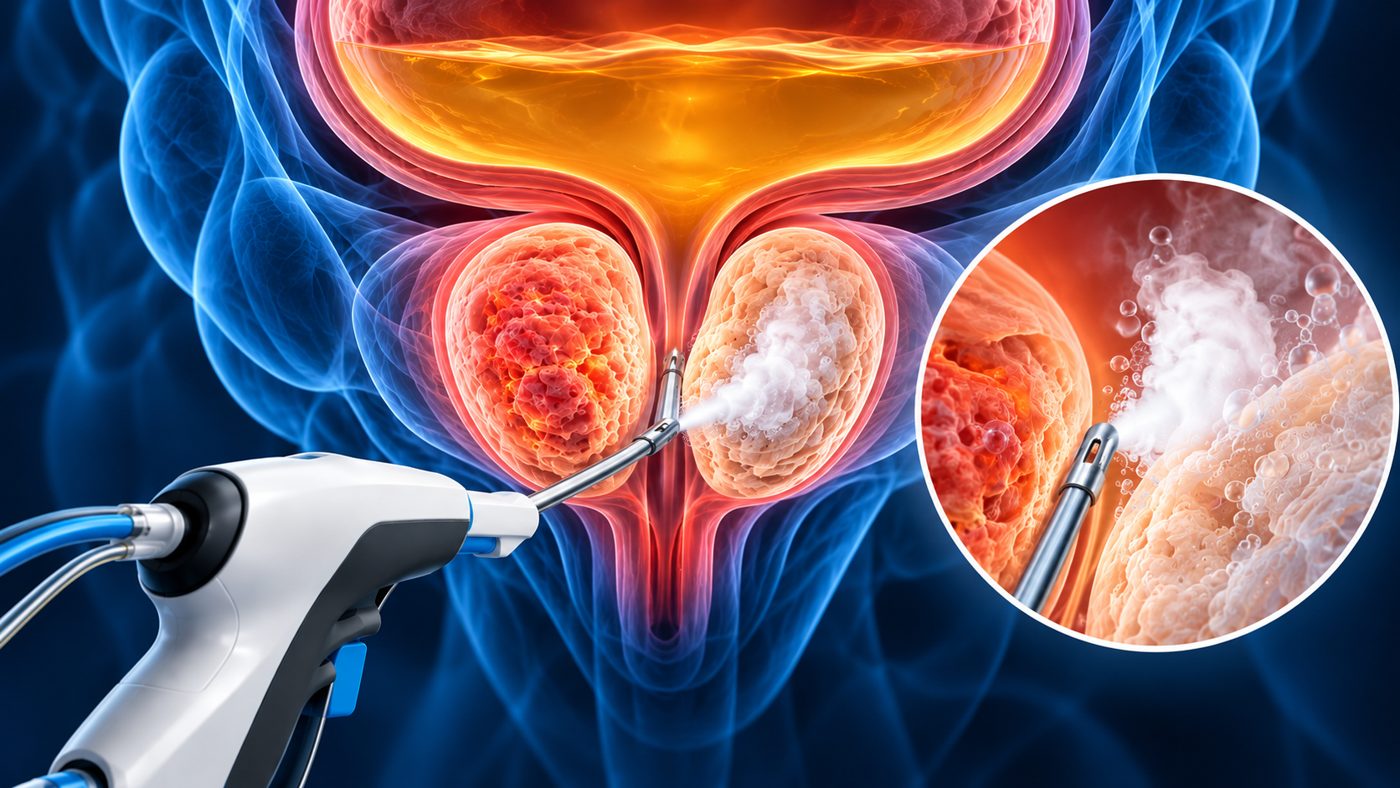
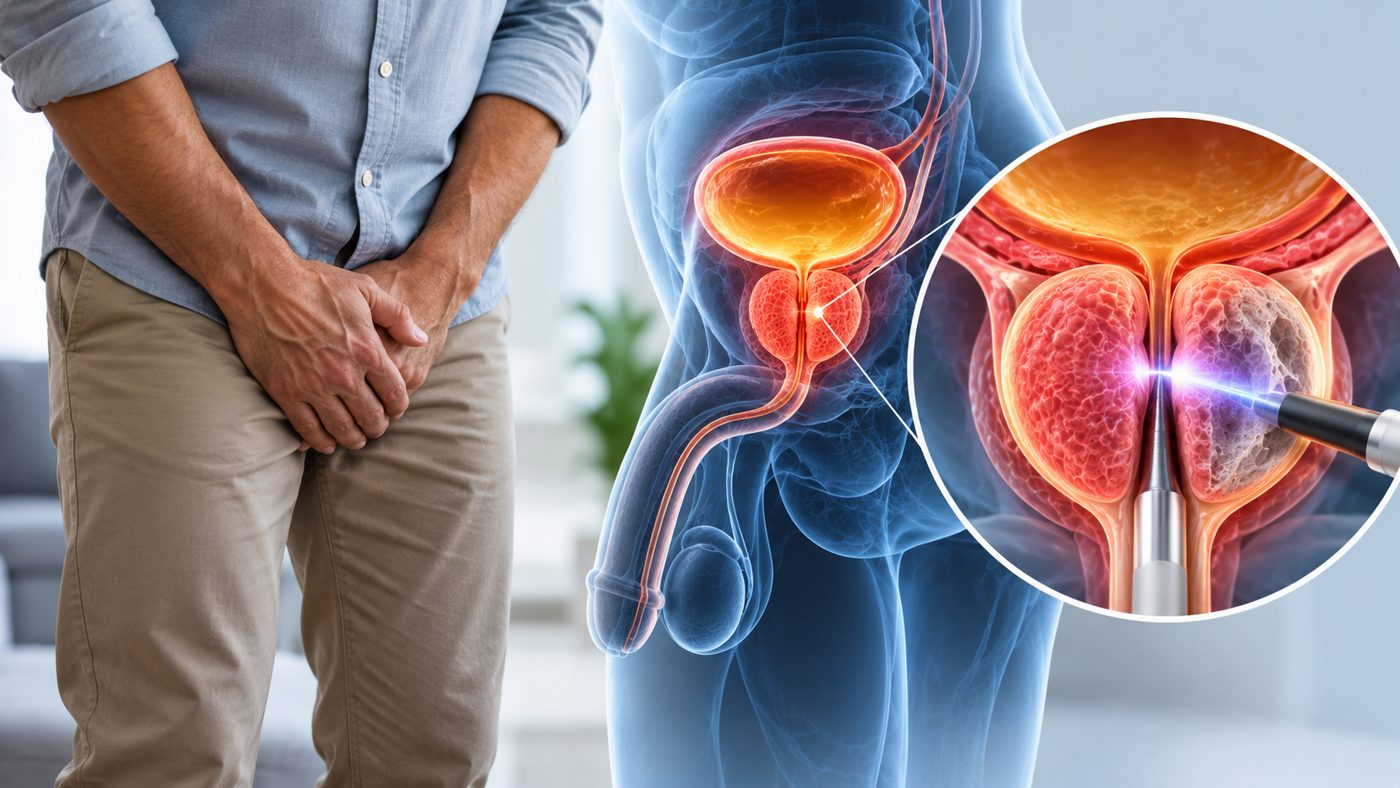
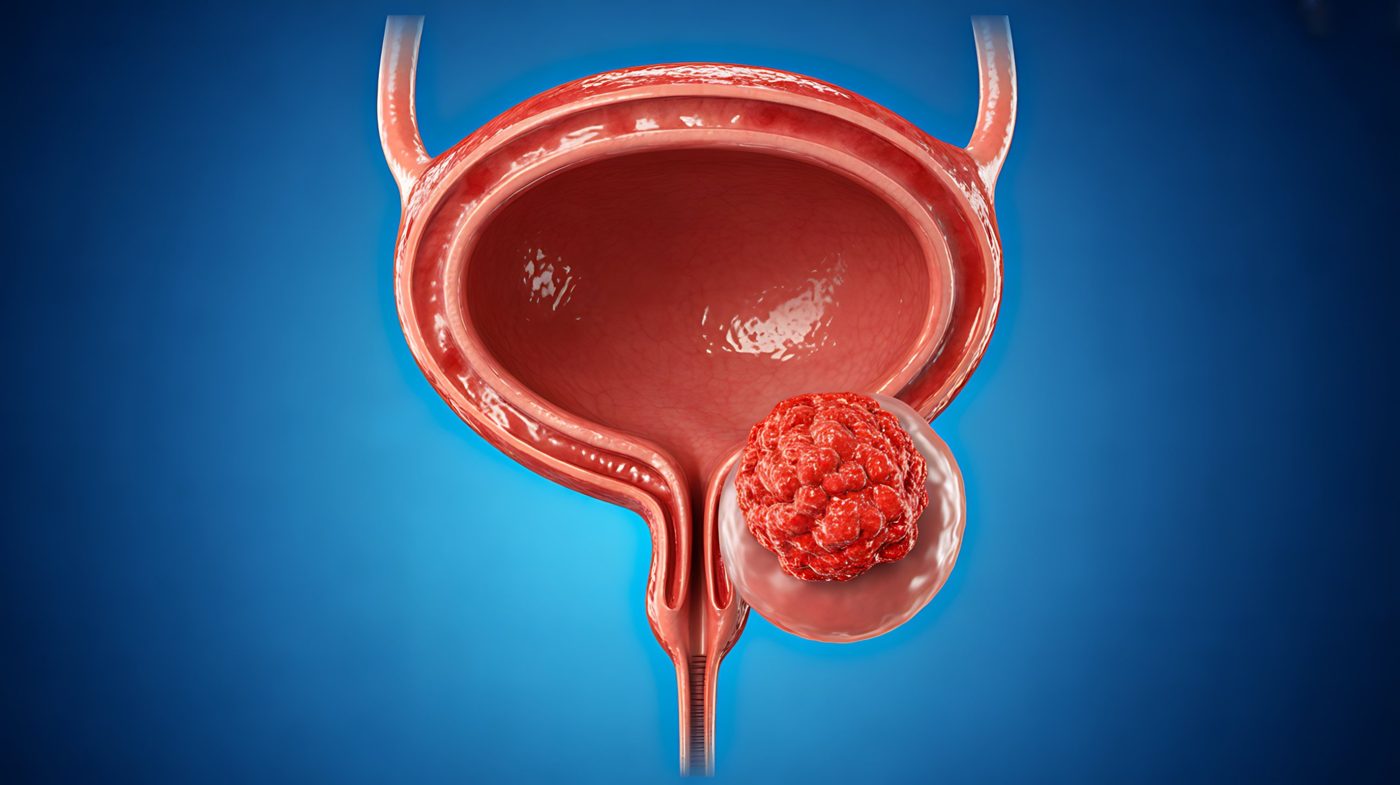
The prostate is a gland that surrounds the beginning of the urethra, just below the bladder. When it enlarges benignly, it can press on the urethra and cause difficulty starting to urinate, an interrupted stream, or a feeling that the bladder hasn't fully emptied. The severity of the symptoms doesn't always match the size of the gland: the shape of the enlargement and how well the bladder works matter too. Benign enlargement is not cancer, although the two conditions can occur together.
What the assessment involves
Your doctor will ask about your symptoms, medications and any long-term conditions, and carry out the appropriate examination and a urine test. You may also need a measurement of the urine left in your bladder after you pass urine, a flow-rate test, and imaging of the prostate and bladder. The prostate-specific antigen (PSA) blood test is discussed when its result would change the plan. Describing how your symptoms affect your sleep and work helps guide the choice of treatment far more than the size of the prostate alone.
From monitoring to treatment
Mild symptoms can often be managed by changing when you drink, cutting down on caffeine and other stimulants, and regular follow-up. Some medicines relax the muscles of the prostate, while others gradually shrink it in suitable patients. When a procedure is needed, the options range from minimally invasive treatments to removing the obstructing tissue endoscopically or with a laser.
The right procedure depends on the size of the prostate and its middle lobe, how severe the obstruction is, your general health, and how important it is to you to preserve ejaculation. Your consultation should therefore cover the improvement you can expect, how long you may need a catheter, recovery time, and the chance of needing further treatment.
When not to wait
Sudden inability to pass urine, repeated urinary retention or infections, or kidney damage caused by the blockage may need urgent treatment or a procedure to relieve the obstruction.
Don't wait for a routine appointment if you can't pass urine and have pain in your lower abdomen.
This article is general health education and doesn't replace a consultation with your doctor.