
With so many names for prostate treatments, choosing can feel confusing. Some procedures use heat, some remove tissue, and others open the urethra mechanically. EchoLaser is the name of a platform that uses a laser for transperineal laser ablation of the prostate, known as TPLA. Understanding how a treatment works is more useful than relying on its brand name.
How the laser reaches the prostate
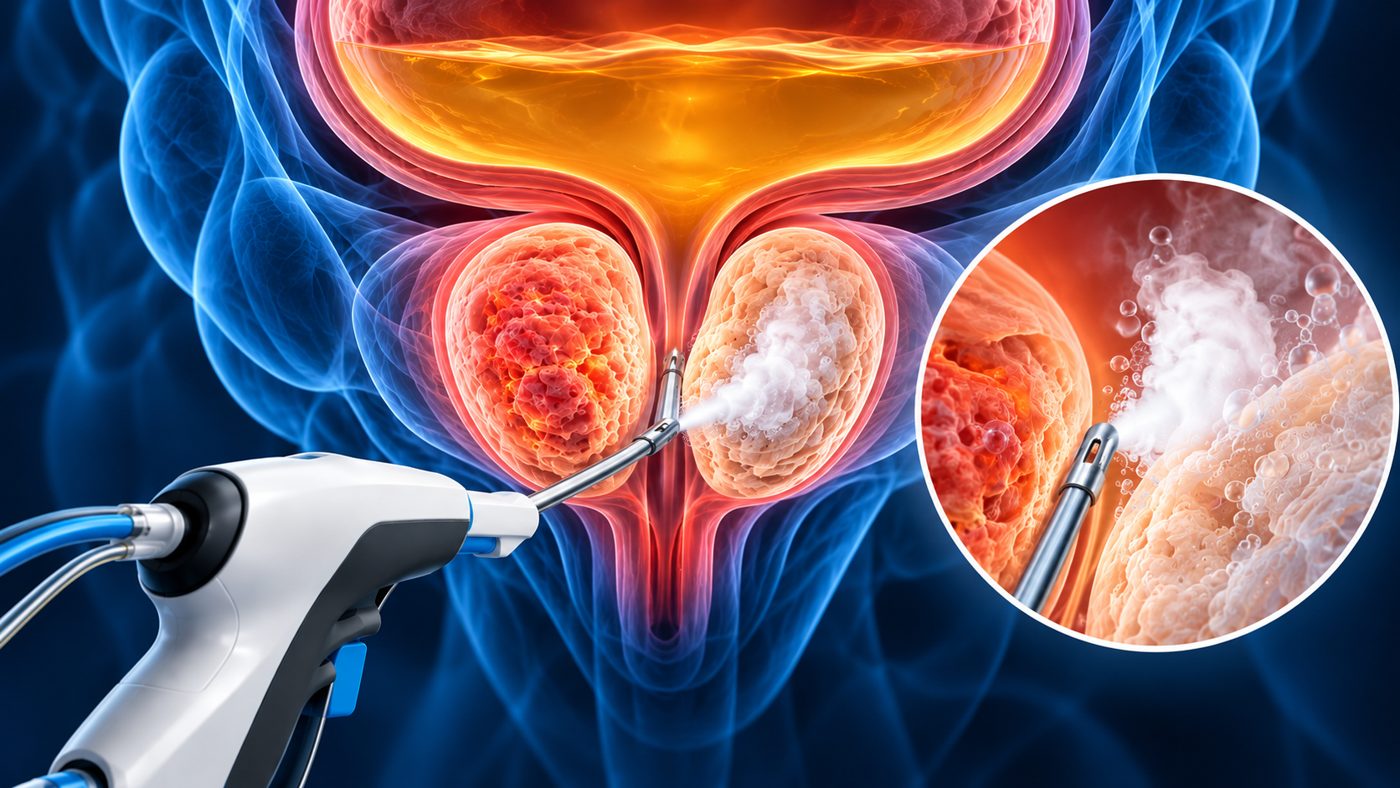
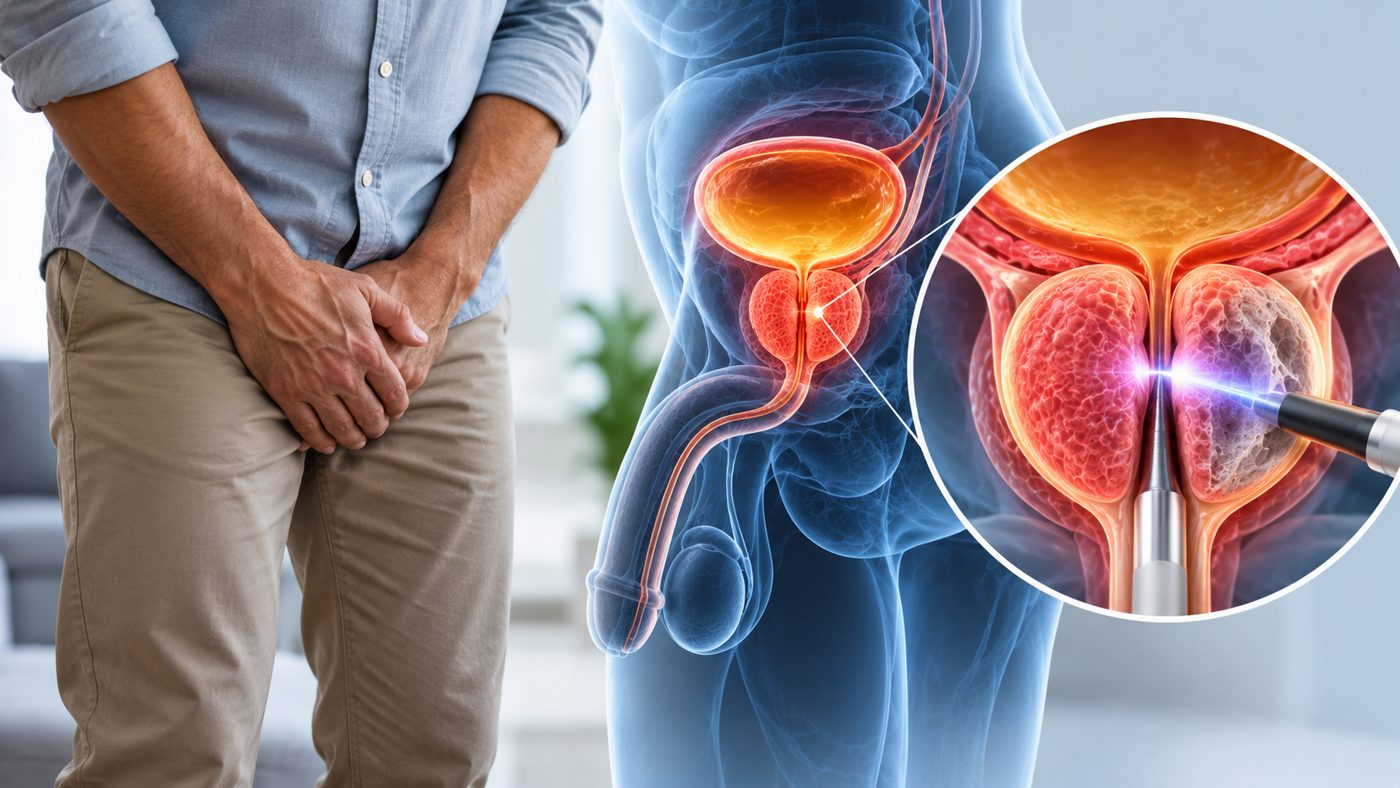
Fine needles are passed through the perineum, the area between the scrotum and the anus, into the prostate under ultrasound guidance. Laser fibres are then threaded through these needles to heat carefully measured areas inside the gland. This causes localised heat damage, after which the targeted tissue gradually shrinks, easing the blockage.
Why some patients are interested in this technique
Preserving ejaculation and avoiding treatment inside the urethra are among the reasons TPLA is discussed. Even so, aiming to preserve sexual function is not the same as guaranteeing it. Deciding whether a patient is suitable means reviewing the size and shape of the prostate, the position of the middle lobe, how well the bladder works, and how severe the symptoms are.
Where the current evidence stands
The European Association of Urology's 2026 guidelines discuss this technique, citing studies and small randomised comparisons with transurethral resection of the prostate (TURP). The results showed improvement in selected patients and signs of benefits for ejaculation, but there is less evidence, and less long-term follow-up, than for established techniques. Removing tissue through the urethra may also give a greater improvement in some measures, such as urine flow rate.
What to discuss before treatment
Your consultation should cover the type of anaesthesia, whether you are likely to need a catheter, when to expect improvement, the risks of infection or urinary retention, and the possibility that symptoms persist or that further treatment is needed later. It's also important to ask about the team's experience with the technique, the follow-up plan, and the other options available for your case.
A decision based on the details
EchoLaser can be an option worth discussing for the right patient, but calling it the best treatment for every prostate goes beyond the evidence. A sound professional choice balances how fully the blockage is relieved, preserving ejaculation, recovery time, and what we know about long-term results.
This article is general health education and doesn't replace a consultation with your doctor.