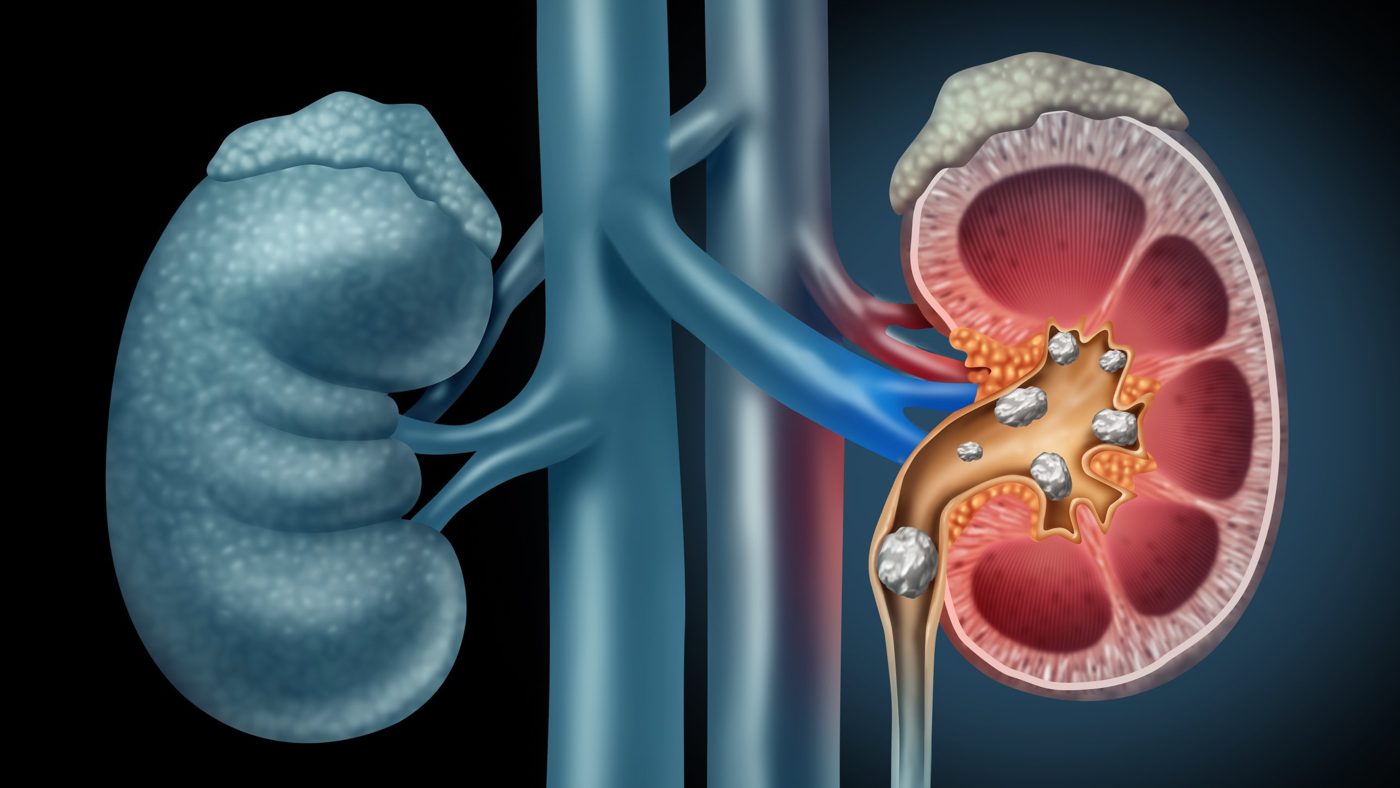

The stone procedure may be over, yet you feel burning, pain in your side, or a frequent urge to pass urine. Sometimes these symptoms come from the ureteric stent rather than from a stone left behind. Understanding what the stent does, and the plan for removing it, helps you manage your recovery without ignoring the signs that need to be checked.
What the stent does
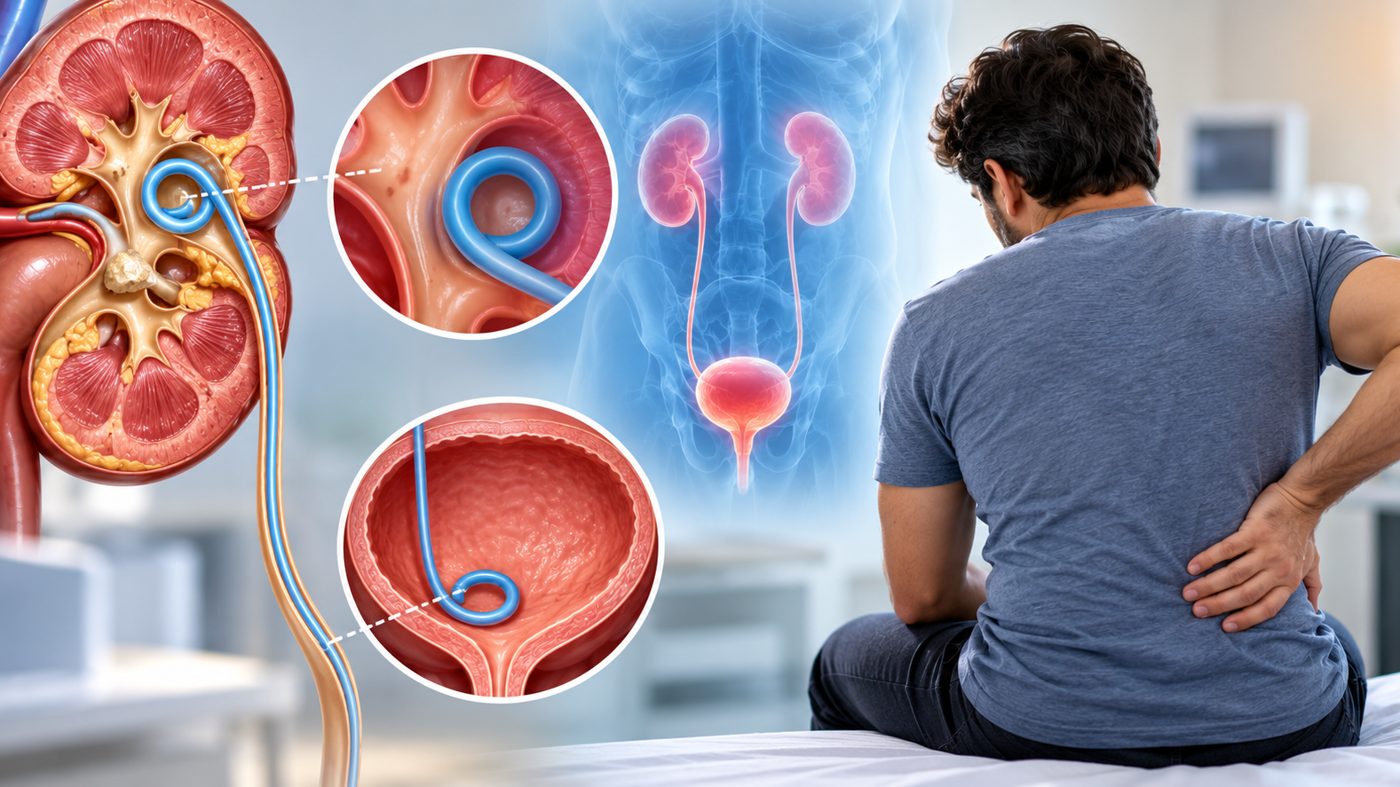
A stent is a thin tube that runs inside the ureter between the kidney and the bladder, usually with curled ends that help hold it in place. It keeps urine draining when there is swelling or a blockage, or in other situations your doctor decides on. Not every straightforward ureteroscopy needs a stent, but in the right case it can be important for draining the kidney safely.
Symptoms a stent can cause
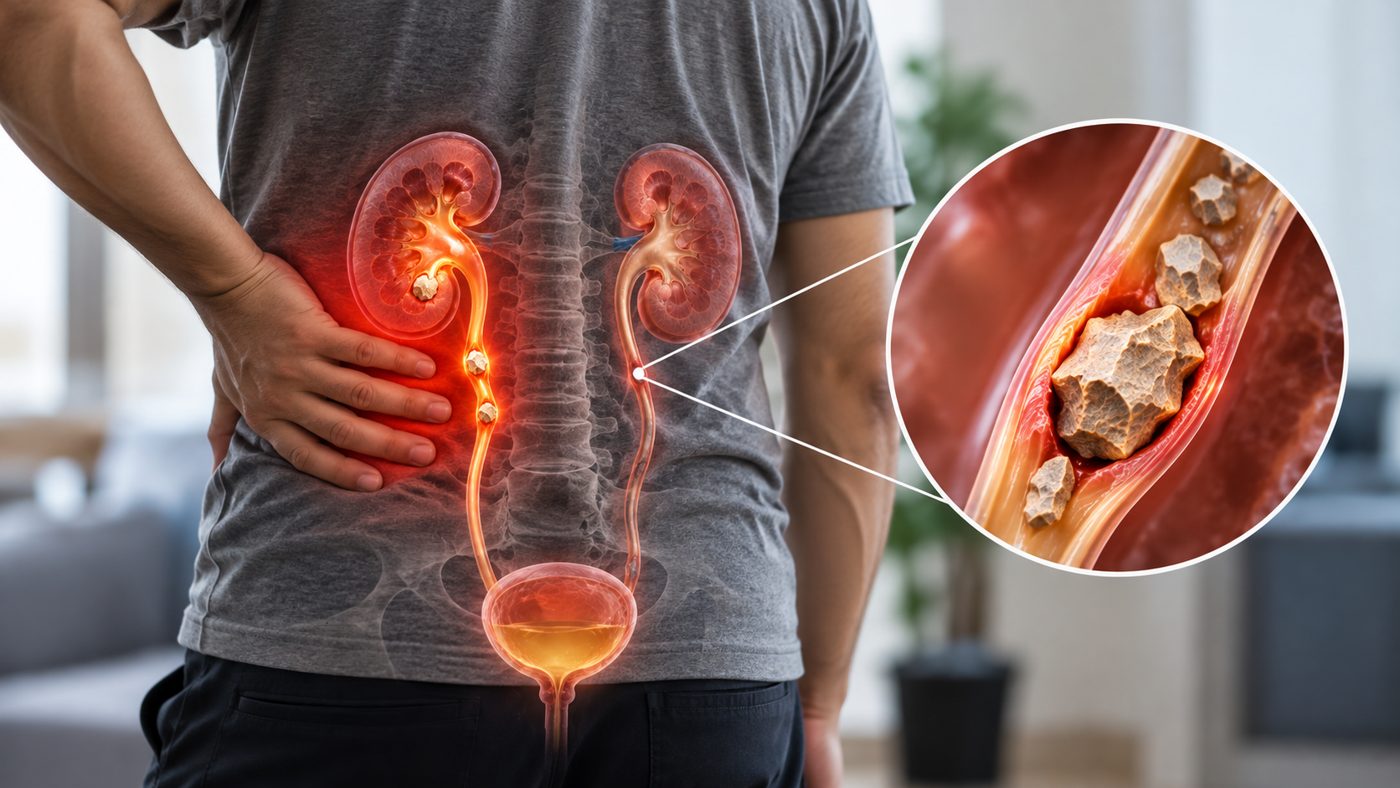
You may notice urgency and frequent urination, bladder pain, pain in your side (especially while passing urine), or blood in your urine on and off. The symptoms can vary and may get worse with some activities. Even so, not every pain or bleed should be dismissed as normal just because a stent is in place: how severe the symptoms are, and what comes with them, decides whether you need to be assessed.
Easing the discomfort
Your doctor may prescribe pain relief or medicines that ease stent symptoms. Follow the drinking plan that suits your case, without forcing large amounts of fluid or taking antibiotics on your own. If your stent has a string coming out, don't pull on it, and follow your care team's instructions, because it is removed differently from stents taken out with a scope.
When to seek care straight away
Fever or chills, severe pain that doesn't respond to pain relief, persistent vomiting, passing very little urine, heavy bleeding, or the stent coming out all need urgent review.
These symptoms may need urine tests and imaging to check for infection, a blocked drainage or a stent that has moved.
The removal date is not a minor detail
Before you leave hospital, make sure you have an appointment or a written plan for removing or changing the stent, and keep a note of the date it was placed. Leaving it in longer than planned can increase the risk of crust forming on it, infection, and a more difficult removal. A stent placed to drain an urgent blockage doesn't mean the stone treatment is finished. Ask what the next step is, and how your doctor will confirm that the stone and the blockage have gone.
This article is general health education and doesn't replace a consultation with your doctor.