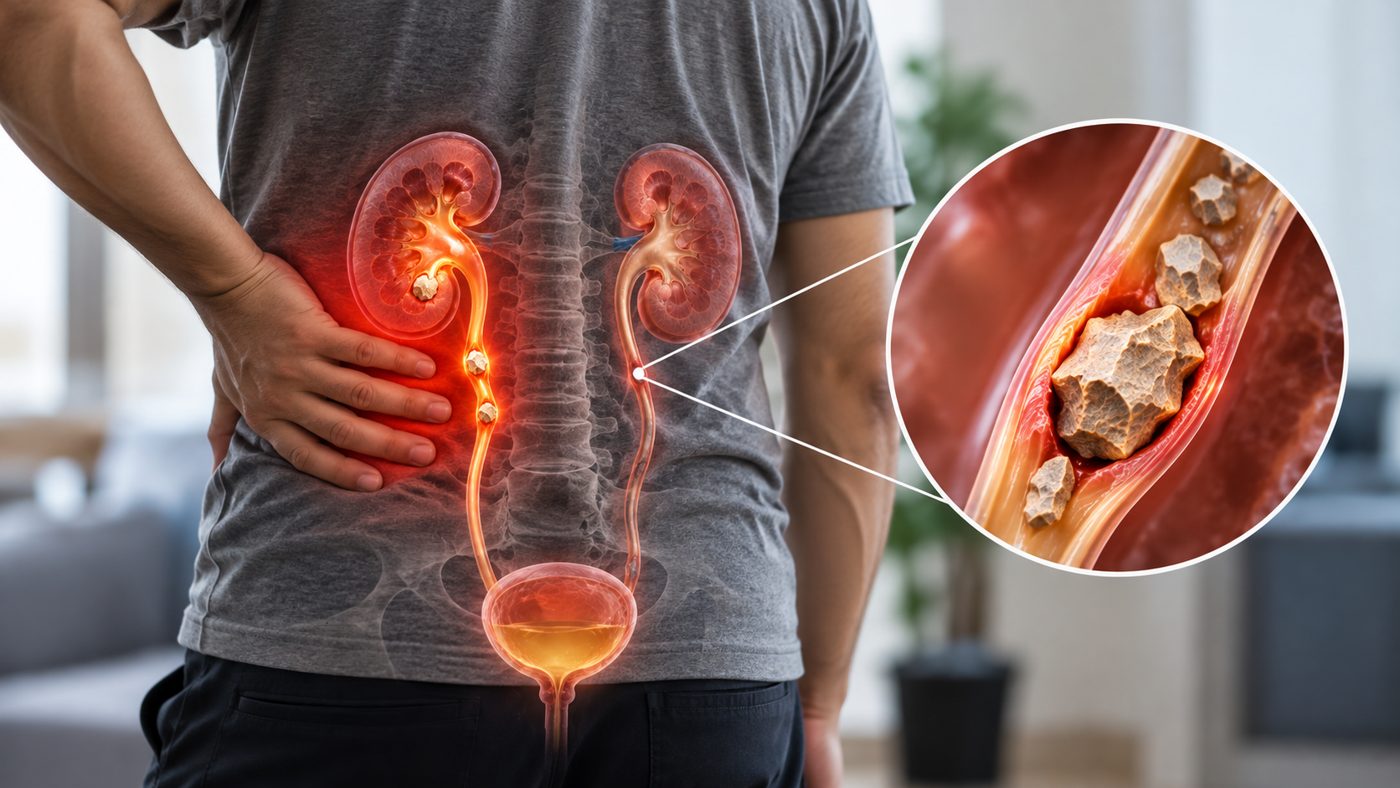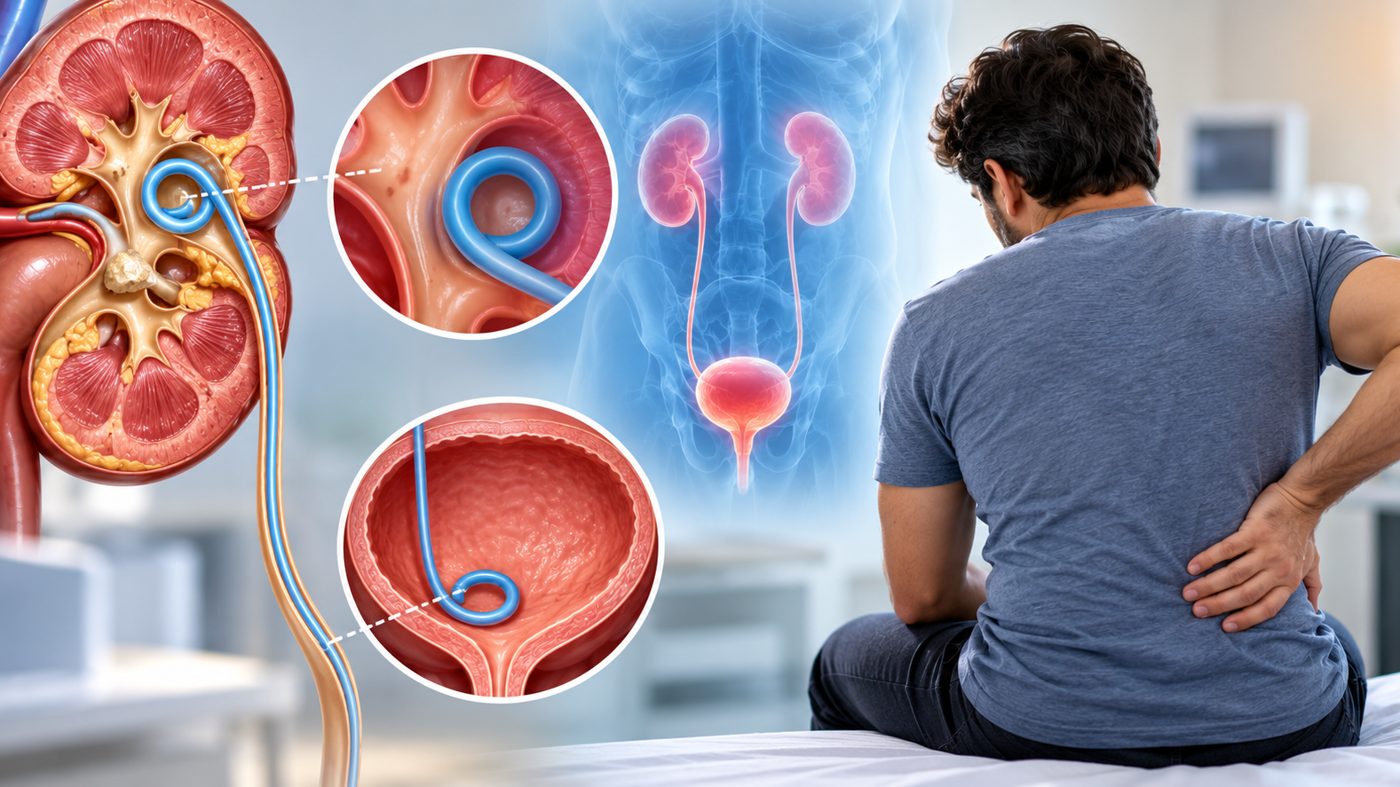
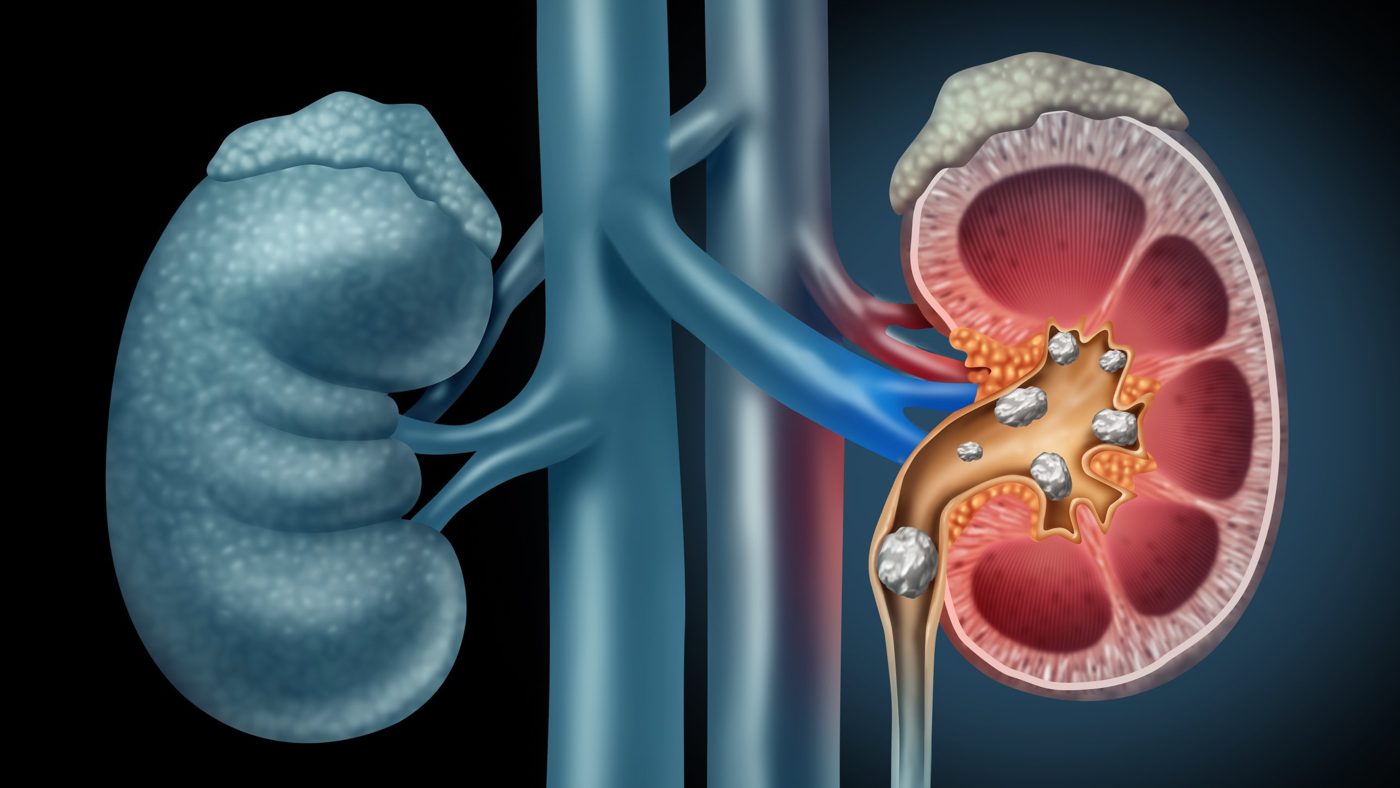

Once a stone has passed or been broken up, patients often feel the problem is over. But for anyone who has had repeated stones, prevention becomes an essential part of treatment. The most useful question isn't only "Which foods should I avoid?" but "Why do I form stones, and what change suits my type of stone?"
Stone analysis gives you a better start
If the stone or its fragments can be collected, analysing it shows what it is made of. Blood tests, urine tests and kidney function are reviewed, and people with recurring stones or other risk factors may need a metabolic assessment that includes a 24-hour urine collection, usually done on two consecutive collections. These tests can reveal high levels of certain salts, or low levels of substances that help prevent stones, such as citrate.
The aim of drinking water is to produce more urine
Fluids lower the concentration of the substances that form stones. For many adults, the target is to pass more than 2.5 litres of urine a day, which may mean drinking around 2.5 to 3 litres or more, depending on the heat and how much you sweat. Spreading your drinking through the day is better than drinking most of it at once. People who need to limit fluids because of heart or kidney disease need a different plan agreed with their doctor.
Don't cut out calcium automatically
In many cases of calcium oxalate stones, eating natural calcium from food with your meals helps reduce how much oxalate the body absorbs. So cutting out milk and dairy without a reason may be the wrong decision. Calcium supplements, and when to take them, are discussed separately from the calcium in food.
Cutting down on salt matters, and so does eating animal protein in moderation. Limiting oxalate is tailored to your stone type and test results, rather than giving everyone a long list of forbidden foods.
When medication is needed
Depending on the abnormality the tests reveal, treatment such as potassium citrate or other medicines may be recommended. These medicines aren't chosen simply because you've had a stone before: they need follow-up blood and urine tests to check how well they are working.
Successful prevention is a plan you can keep up: knowing your stone type, changing the habits that matter most, and follow-up that confirms your urine has become less favourable for new stones to form.
This article is general health education and doesn't replace a consultation with your doctor.