
When blood appears in the urine, you naturally want the bleeding to stop quickly. That is an important goal, but it is only part of the treatment: the other step is finding where the blood is coming from and treating it. One person may need treatment for an infection and follow-up, while another needs clots removed or a stone or tumour treated. So the plan depends on how heavy the bleeding is and what is causing it.
Starting with how serious it is
Your doctor will ask how much blood and how many clots you have seen and whether you can pass urine, and will check your vital signs and any other symptoms. A blood count, kidney function tests and urine tests may be requested, with imaging or cystoscopy depending on your case. Seeing blood doesn't always mean a large amount has been lost, but the colour alone isn't enough to judge whether things are safe.
When clots stop urine coming out
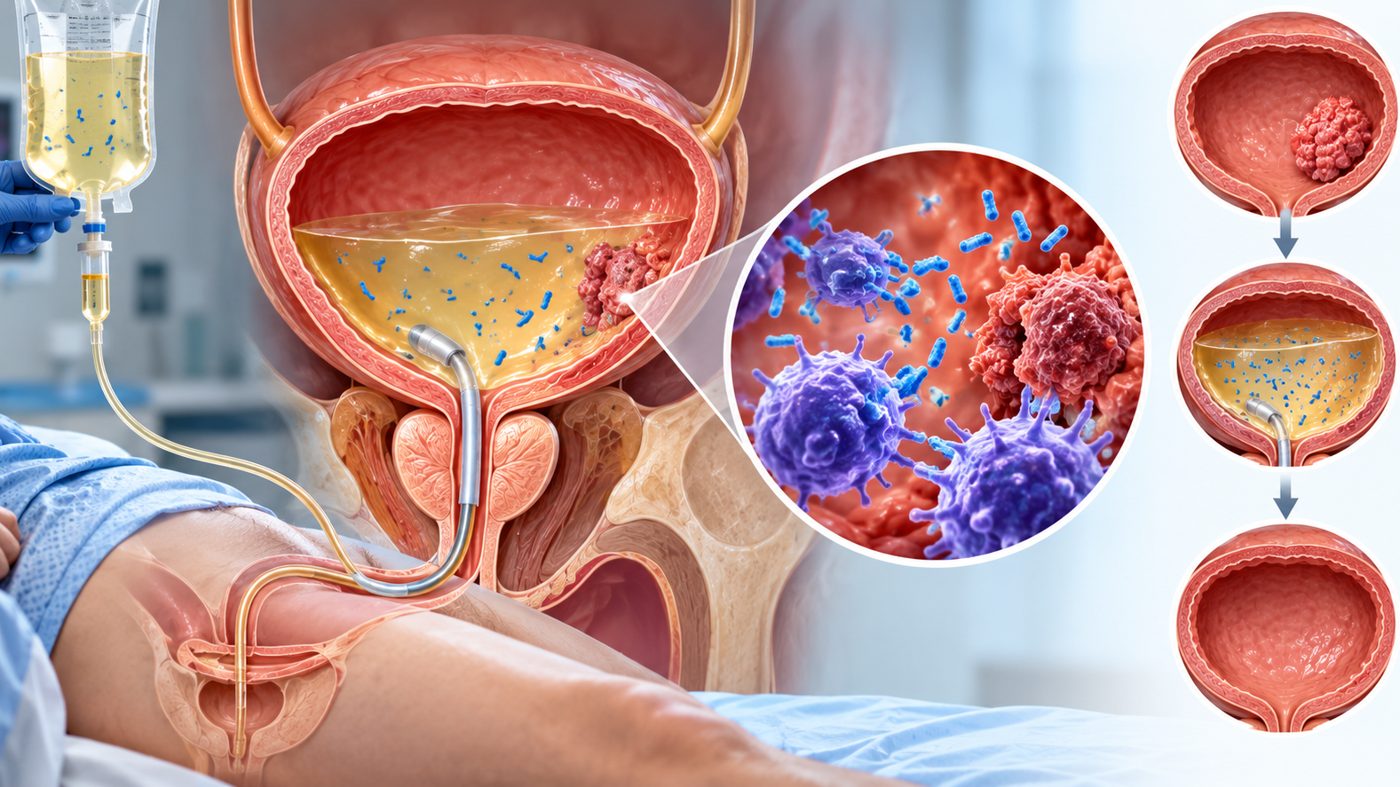
Clots can block the outlet of the bladder and cause pain and urinary retention. A suitable catheter may then be needed to wash the clots out of the bladder, and a three-way catheter may be used for continuous irrigation. If that isn't enough, a cystoscopy may be needed to clear the bladder and control the bleeding point. These procedures are carried out as part of a medical assessment and must never be attempted at home.
Treatment follows the cause
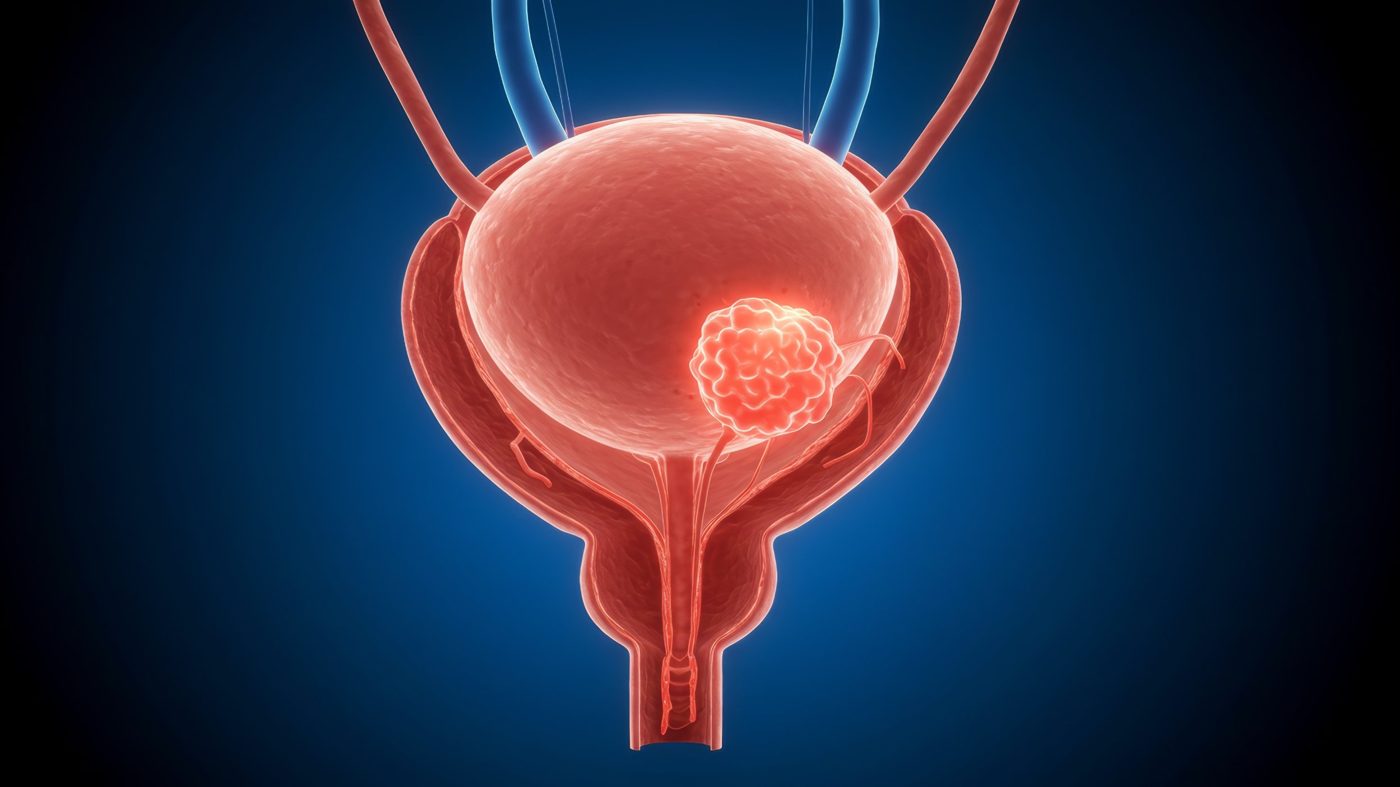
If an infection is confirmed, its treatment is chosen according to the case and, when needed, a urine culture. If a stone is the cause, whether it needs treatment depends on its position and its effect. Bleeding from a tumour needs a tissue diagnosis and a treatment plan for the tumour, and controlling it with a scope may be one of the steps. Bleeding from the prostate needs to be assessed before it is put down to benign enlargement.
What about blood thinners?
Tell your doctor the name of the medicine, why you take it, and when you took the last dose. The plan may need to be coordinated with the doctor who prescribed it, but stopping it yourself could put you at risk of a blood clot. And taking a blood thinner is never a substitute for looking for the cause of the bleeding.
After the bleeding stops
Symptoms can disappear before the diagnosis is complete. So it's important to finish the tests you were given, go over the tissue results if a sample was taken, and keep to your follow-up.
Being unable to pass urine, or ongoing bleeding with dizziness or severe weakness, needs emergency care.
Complete treatment combines draining the urine safely, stopping the bleeding when needed, and treating its source.
This article is general health education and doesn't replace a consultation with your doctor.