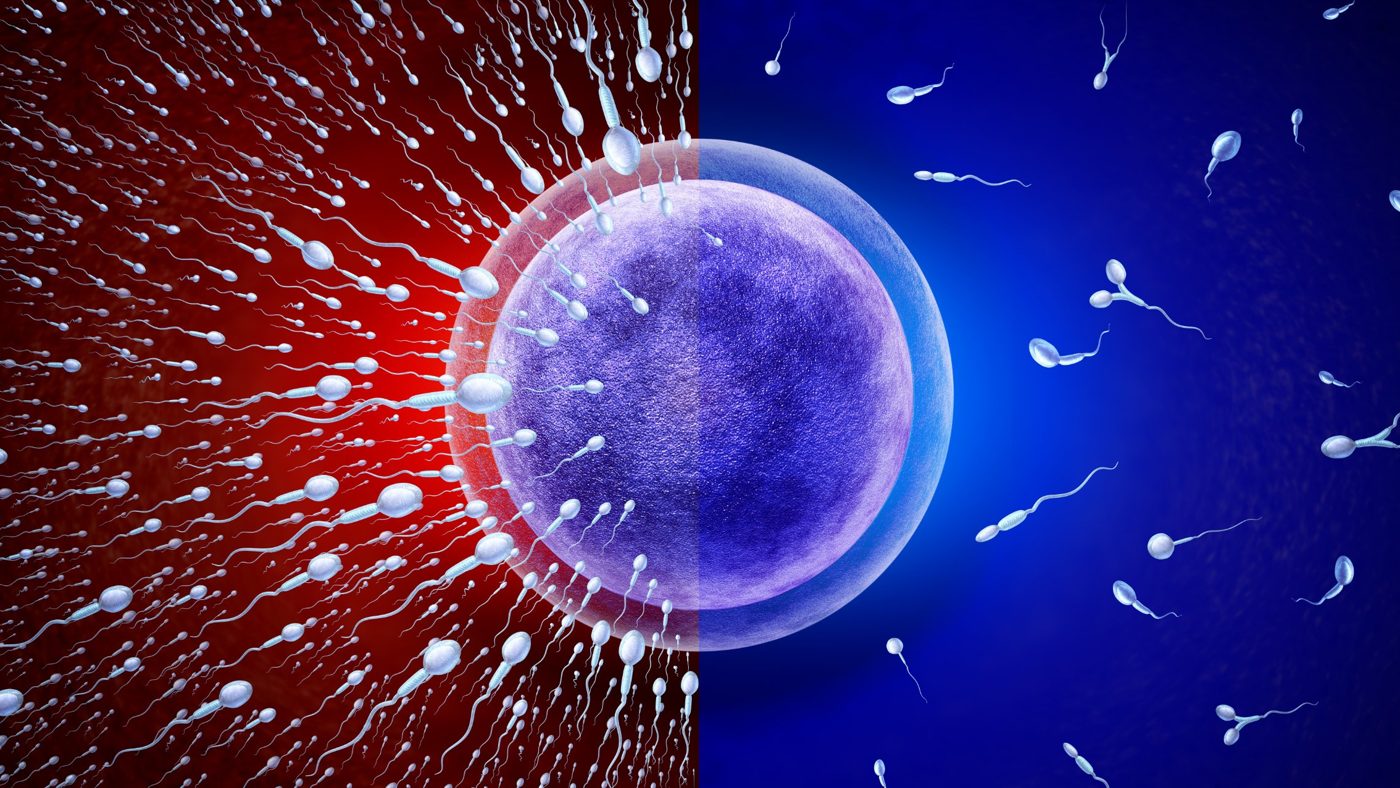

Being told "no sperm were found" can be a shock, but it doesn't mean the same thing for every man. The testes may be producing sperm that can't get out, or production may be very low. This difference changes the tests, the treatment and the method of sperm retrieval, so the decision doesn't start with choosing an operation before the cause is understood.
First, confirm the result
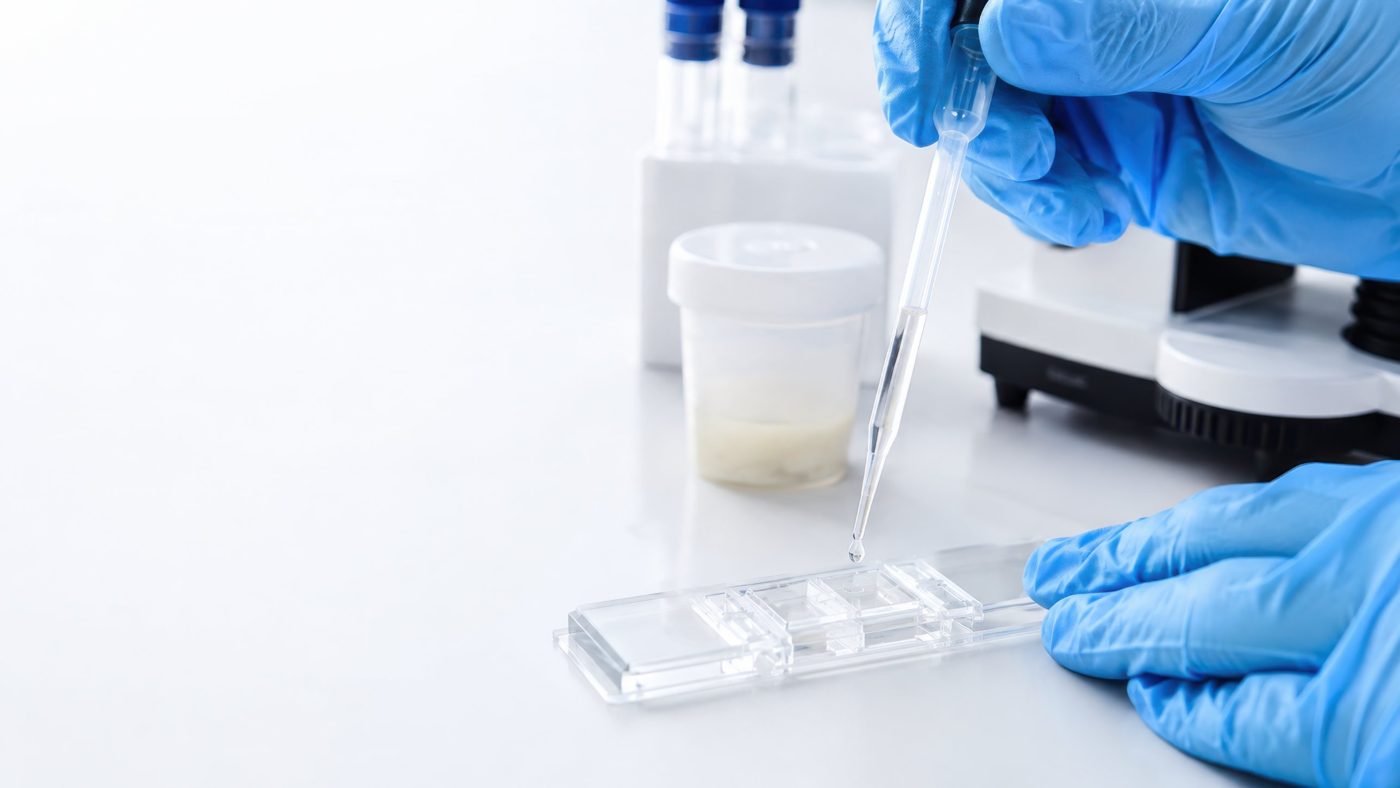
Diagnosing azoospermia requires proper samples and laboratory assessment, including examining the pellet after centrifugation when needed. Very small numbers of sperm may be present that don't show up on the first test, and freezing them can be useful in a fertility treatment plan. Hormone levels, the examination, the size of the testes and the sperm-carrying ducts are then reviewed.
Blockage is different from low production
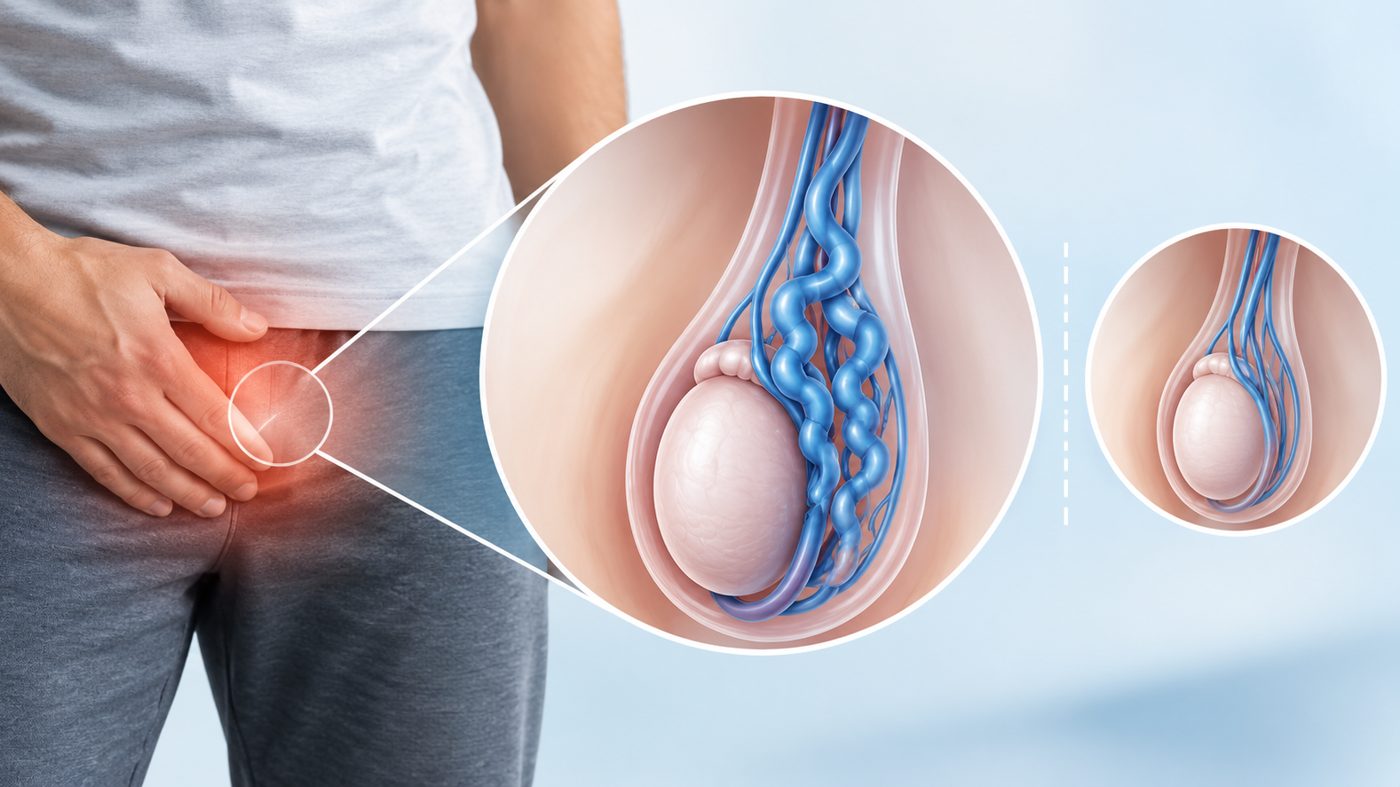
In obstructive azoospermia, sperm production may be normal, but there is a blockage or a congenital absence of the ducts. Surgery to correct the blockage may be considered in suitable cases, or sperm can be retrieved and used for ICSI. Non-obstructive azoospermia results from a problem with sperm production, and may call for genetic tests and a more detailed assessment of the chances of retrieval.
What microsurgical sperm extraction involves
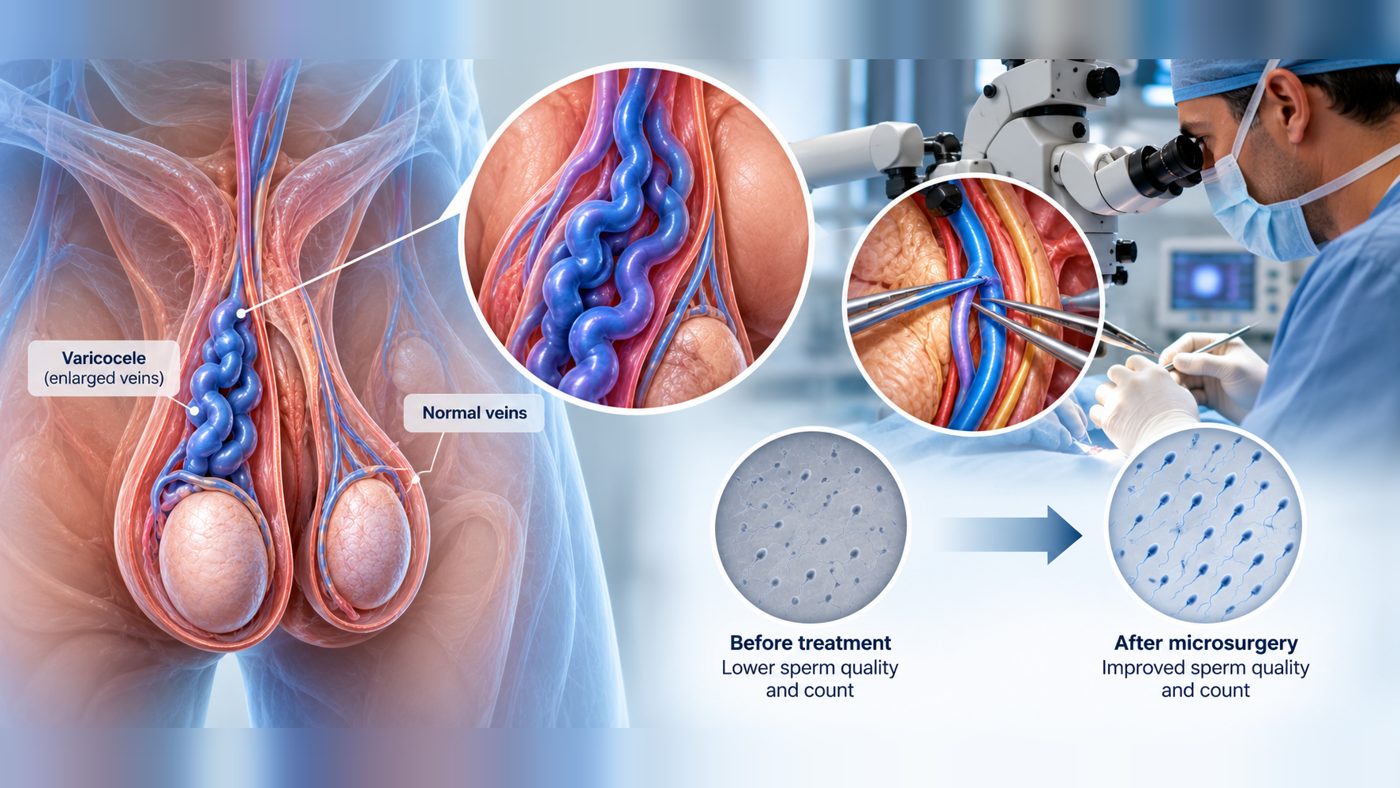
In micro-TESE, the surgeon uses an operating microscope to look for seminiferous tubules (the tiny tubes in the testis) that are likely to contain areas of remaining sperm production, working closely with the embryology laboratory to search the tissue for sperm. The guidelines of the American Urological Association (AUA) and the American Society for Reproductive Medicine (ASRM) recommend this method for sperm retrieval in non-obstructive azoospermia, but it doesn't guarantee that sperm will be found.
Needle aspiration, conventional biopsy and microsurgical extraction are not equal options for every case: the choice of method follows the diagnosis, not just the wish for a smaller procedure.
Why genetic tests matter
Chromosome tests, or tests for deletions on the Y chromosome, can reveal causes that affect the chance of retrieval and the need for genetic counselling. Some complete deletions are linked to a very low or no chance of finding sperm, and may change the decision to operate. On the other hand, a high FSH level alone isn't enough to conclude that no sperm production remains.
Before the operation, the discussion covers the risks of pain, bleeding and an effect on testosterone, the plan for freezing the sperm or coordinating their use with the fertility centre, and the alternatives if no sperm are found. Retrieving sperm is an important step, but it is still not the same as a successful pregnancy and the birth of a child.
This article is general health education and doesn't replace a consultation with your doctor.