
When non-surgical treatments don't give enough rigidity, or don't suit the patient, a penile implant may be discussed. It is a decision that needs a clear understanding of the expected result, how the device is used and the risks, because the operation permanently changes how an erection works. A good consultation leaves room for questions from the man and his partner, without pressure or exaggerated promises.
What an implant does
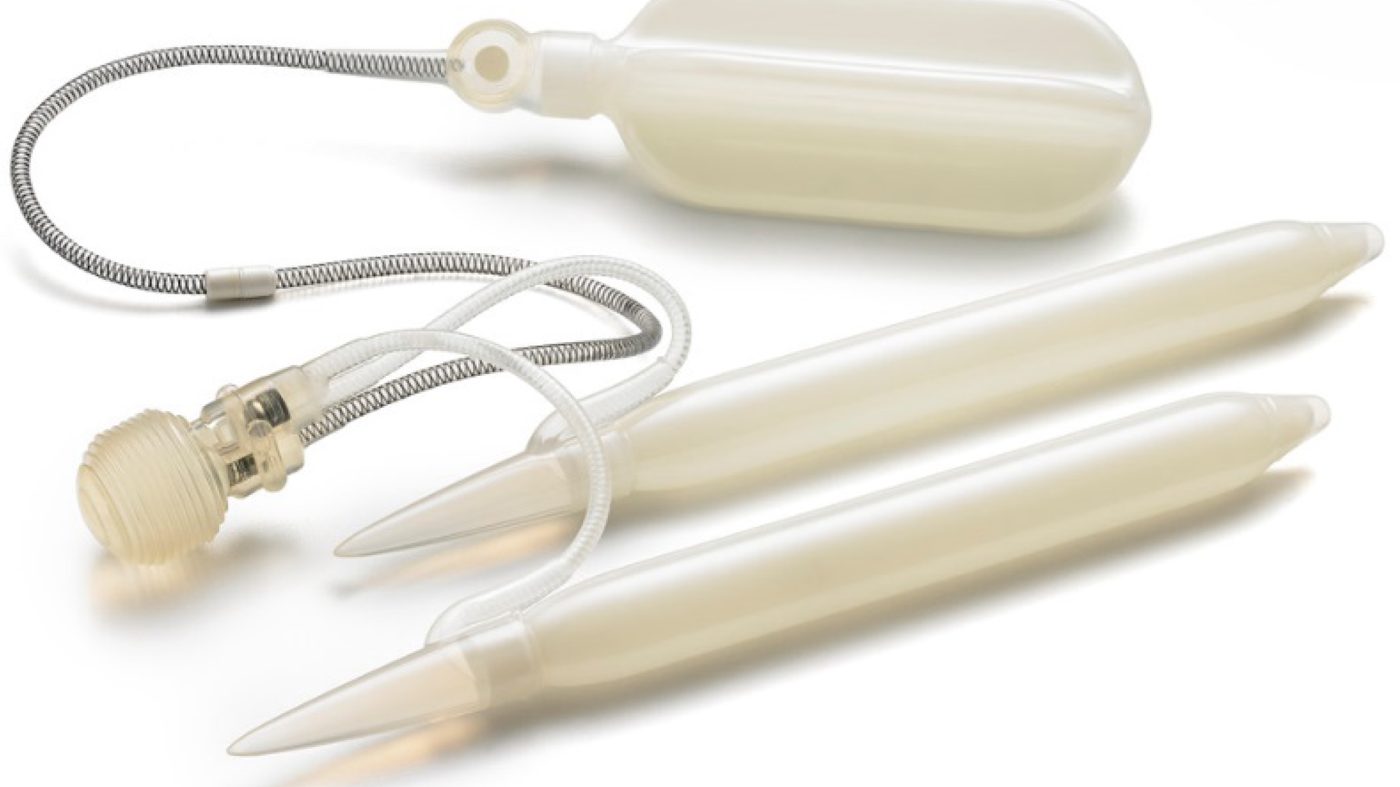
Components are placed inside the erectile chambers (corpora cavernosa) of the penis to provide the rigidity needed for intercourse. The implant helps with the mechanical side of an erection, but it doesn't treat low desire by itself, and it doesn't guarantee a longer penis. Sensation, orgasm and ejaculation may remain as they were before, but an implant doesn't restore functions lost through surgery or another illness.
Malleable or inflatable?
A malleable (semi-rigid) implant contains bendable rods, so a degree of firmness is always present. An inflatable implant uses a pump in the scrotum to control rigidity, and some types include a fluid reservoir. The choice depends on your anatomy, your ability to use the pump, your preferences and any previous surgery, not on the price or the brand name alone.
Before the operation
Your previous treatments, long-term conditions and medicines are reviewed, along with any infection or skin or urinary problems. Getting diabetes and other modifiable factors under control is a priority. Your surgeon will also discuss what to expect in terms of size, how the device is used, and the possibility of needing further surgery later. The examination helps clarify what can be achieved in your particular case.
The risks to understand
These include infection, bleeding, pain, erosion of the tissue or part of the implant coming through, and mechanical failure. Some complications may require the device to be removed or replaced. There is no guarantee an implant will last a lifetime without repair, although many patients gain real benefit and satisfaction when the choice is right and expectations are realistic.
Recovery and training
Your care team will give you instructions on wound care and tell you when you'll be trained to use the device and when you can resume intercourse, once healing is confirmed. The implant should not be used early without guidance. Ask for a practical demonstration of how to operate it, your follow-up dates, and who to contact if a problem arises. Success includes a safe implant that you can use comfortably, not just the completion of the surgery.
This article is general health education and doesn't replace a consultation with your doctor.